The Science of Play
How play helps children cope and find happiness while living with a serious illness.

Happiness is an essential part of care for seriously ill kids.
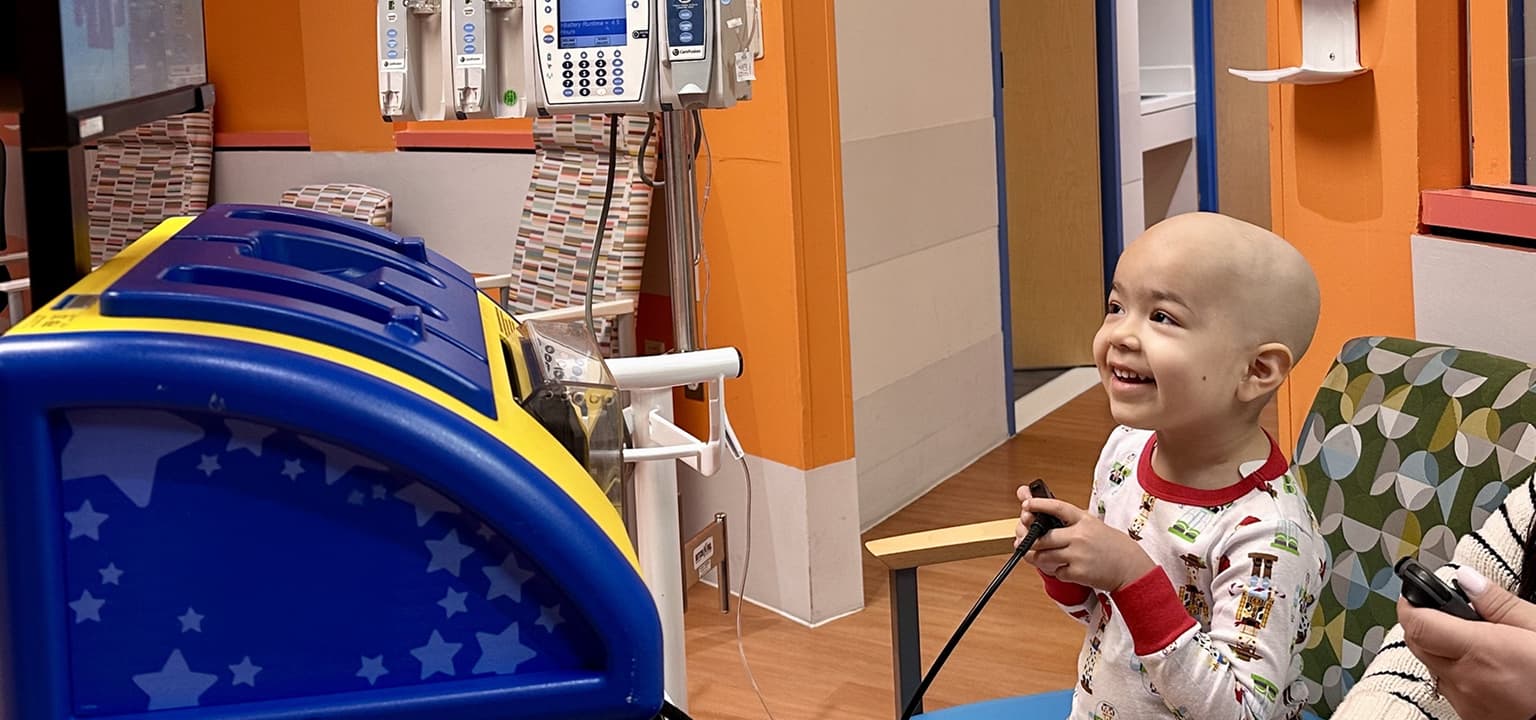
Play is a powerful driver of happiness. It reduces stress and anxiety, supports emotional regulation and strengthens connections between patients, families and staff.
With the right programs and resources, we can transform the patient experience to replace fear with comfort and happiness. Starlight Children’s Foundation offers a range of programs to deliver happiness to kids when they need it most.
Play Improves the Patient Experience
Research demonstrates that play has high therapeutic value for seriously ill children, helping them cope, learn and adapt to the hospital setting.
A recent study among Starlight’s hospital partners found that Starlight Hospital Gowns and Toy Deliveries significantly decreased patient anxiety and created a sense of normalcy. Other studies have found that playing video games, like those provided through Starlight Gaming, can improve mood and foster social connections.
 98.9%
98.9%of healthcare providers reported Starlight Gowns & Pants positively impact the hospital experience.
 82%
82%reported Starlight Toy Deliveries improve patient experience by reducing fear and providing joyful distractions.

The Impact of Play in Hospitals
Starlight partners with more than 800 hospitals across the United States, reaching over 3 million pediatric patients with programs designed to deliver play, comfort, and happiness during medical treatment.
We prioritize transparency and accountability by providing regular updates, impact reports, and donor insights to show how contributions create real change. Through data, heartfelt stories, and direct feedback, we ensure our programs deliver measurable, meaningful impact.
Thoughtfully Designed Happiness Programs
The Starlight Happiness & Healing Pillars were designed by Certified Child Life Specialists to capture the connection between happiness and healing, providing a structured way to measure the full impact of our programs on seriously ill children.
Our 10 key criteria define success and guide each program. We measure outcomes through surveys, interviews, and focus groups, then analyze the data to identify what's working and refine what isn't. This cycle of continuous improvement strengthens our programs and maximizes the positive impact we deliver to hospitalized children.
10 Happiness & Healing Pillars

Play
An important part of child development, play helps children to learn, grow, express themselves, and feel safe in an unfamiliar environment. Play is a highly interactive experience that directly engages children through either structured activities (e.g., games that require children to follow a set of rules and norms) or unstructured ones (e.g., “free time”). While it may appear that children engage in play strictly for self-amusement, play also provides happiness through critical behavioral, social, and motor rewards.

Entertainment
Entertainment, such as films, television programs, and streaming media, as well as other types of content, delivers happiness by providing children with content that is enjoyable, amusing, educational, and stimulating to watch. Largely passive experiences (as opposed to “play” which is more active), entertainment often provides children a much-needed sense of relief, and distraction, especially for those in stressful situations.

Comfort
Comforting experiences can help alleviate a child’s feelings of distress and anxiety by creating a sense of physical, mental, and emotional ease, freedom, and security which leads to happiness.

Socialization
When children are given the opportunity to engage with others around them, they’re allowed – and encouraged - to share their opinions, thoughts, and feelings, through words and body language which helps them connect with one another and see themselves as part of a community. This sense of either belonging to a social group and/or understanding themselves as unique and special creates feelings of happiness.

Normalization
In a typical hospital setting, normalization refers to a process or set of experiences that a child recognizes as “normal” to their everyday life outside of the hospital. Normalization is important because it allows for an unfamiliar and often scary place, such as a hospital, to have structure, familiarity, and security.

Procedural Support
It’s important for health care professionals to create a coping plan to help children get through difficult procedures such as IV placement, dressing change, and port access. The coping plan can frequently include redirective focus which encourages the child to get their mind off of the medical procedure by focusing on an experience which makes them happy and thus comply with the procedure in a more positive and successful manner.

Emotional Support
Children require special support to ensure they have an outlet for their emotions, whether its gratitude, pleasure, inspiration, curiosity or love to help ease fear and anxiety around treatments, conditions, environmental stressors, and sometimes grief.

Pain Management
Pain management offers a variety of methods to prevent, reduce, or stop pain sensations. In hospital setting, this can be achieved through psychological as well as physical or pharmacological methods.

Education
In order to successfully manage and cope with either a temporary or long-term treatment plan including frequent or long hospital stays, sometimes in isolation, children (and their caregivers) require developmentally appropriate educational tools related to their specific diagnosis, procedures and medication.

Physical Therapy
A planned program of activities is often prescribed by physicians to help improve a child’s movement or manage their pain. Completing regular routines such as physical exercises often rewards children with a sense of accomplishment and happiness


National Reach, Local Impact
We place programs free of cost in more than 800 hospitals and healthcare facilities. Search for a benefiting hospital near you.

8 Consecutive Years as a Top-Rated Charity
We work hard to receive the highest grades possible for accountability and transparency across all not-for-profit rating organizations. Starlight has earned a four-star rating from Charity Navigator for eight consecutive years.