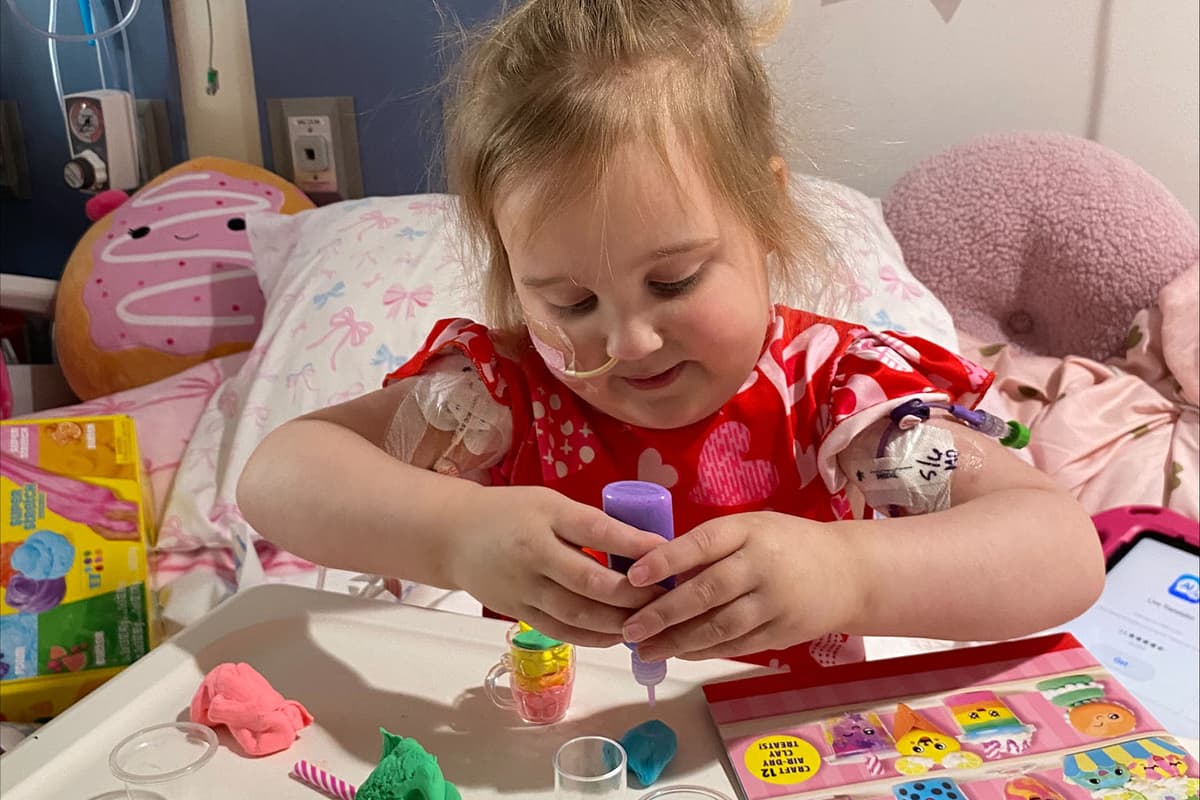
Play, An Essential Coping Strategy for Hospitalized Children
 Resources for Parents
 Resources for Parents
Stress is no fun. The last few years have been an especially stressful time. Between an ever-changing social environment, the ongoing effects of the pandemic, and more, everyone has been stressed to the max and attempting to cope as best we can as adults.
But what kind of toll does this stress have on our children? How do we recognize the signs of stress in our kids and how do we help them build their own coping strategies?
Studies show that parents are generally better at noticing and reporting accurately on their kids’ external, observable behaviors. Acting out, distractibility, withdrawal, yelling, crying; these things are obvious to everyone.
Kids’ internal world and any distress they might feel on the inside are more frequently under-reported or misinterpreted by parents.
Extreme stressors that might be categorized as trauma actually have a negative effect on the developing brain and can have far-reaching, life-long consequences.
Fortunately, parents can build a better awareness of how children communicate their stress by looking out for some common signs and symptoms that might indicate a high level of stress in children.
Depending on their developmental stage, kids may not have the vocabulary to talk about their stress in straightforward ways.
As stress takes its toll on the body, it is not uncommon for kids to have a sudden appearance of unexplained headaches, frequent complaints of upset stomach or other abdominal pain, or a sudden onset of stuttering in their speech.
For kids who have otherwise been able to sleep through the night without much or any disruption, a sudden resurgence of night-time wakings or nightmares might arise in response to a stressful event.
A return of bed-wetting after potty training has been successfully completed may also indicate a stressed-out little one.
Sudden changes in appetite, especially a decrease, could be a sign of stress. This could be due to a preoccupation with worrisome stressors or related to other, physical abdominal complaints.
There are physiological mechanisms activated in the body during periods of extreme stress that cause changes in our biochemistry and our body’s ability to digest food. Appetite changes often follow.
Emotions are all felt on the inside, but there are external cues to watch out for that might indicate challenging emotional fluctuations.
If you notice your child experiencing mood swings, a heightened level of sadness, more frequent incidences of crying, or reporting of excessive worry with physical or emotional safety, these may all point to a heightened degree of stress.
A sudden spike in aggression towards siblings, friends at school, on a playground, or taking out frustrations on animals could also indicate a high level of stress in kids.
Similarly, if you’ve noticed your child start displaying bullying behaviors at school or a general decrease in academic performance, these are all non-verbal ways a child might express difficulties with stress.
These signs may be intense and frightening to think about for parents. Fortunately, every parent has the power to help de-escalate their kids’ stress levels.
Establishing structure and safety in a child’s world often begins with parents managing their own responses to stress. Children are always watching their parents and other adult role models interact with the world, which helps them understand how they should also respond.
The best way to help kids understand a helpful response to stressors in the world is to give them a calm, honest, and developmentally appropriate response. This helps create a safe and realistic environment that doesn’t feel out of control.
A response that dismisses the child’s worry or ensures them a level of safety that cannot be guaranteed may not be helpful.
Assure kids that even in the face of bad things that happen in the world, they can rely on their parents, family, and others in their life who care about them.
Establishing a trusting base with others is key to feeling like the world can be a safe place.
Allowing kids space to talk about how they feel and encouraging them to express themselves are also great ways to help kids sort out their reactions to the world and learn to put them into words in a helpful way.
Older kids who are at or nearing middle school age might benefit from this response the most since they are at a developmental stage where they can better articulate their responses. Younger kids are also helped by this but may not have the cognitive ability to articulate themselves as easily as they might be able to communicate through behaviors or play.
In every case, helping kids build up a reservoir of positive coping strategies will help counteract the influence of big stressors on their lives. Some great ideas for coping strategies include:
Exercise is a great coping strategy for anyone! Not only will it help keep kids physically fit, but exercising will also release neurotransmitters in the brain that have a positive emotional impact.
Physical activities such as team sports, bicycling, dance, general exercise, running, trampoline, or walking are all great ways to get out and get moving.
Play is the language of kids. Playing with physical toys or even virtual play via technology or video games can be helpful for kids to explore ways to express their thoughts and feelings.
Video games in particular allow kids to retreat to a world where they feel more in control with a solid system of rules. Of course, ensure that any games are age and developmentally-appropriate for your kids.
Routines help kids see the world as a safe, predictable place. This predictability can help them feel like they know what to expect day-to-day.
However, the developing brain also craves novelty, so find ways to switch up the routine from time to time that is fun and engaging. As great as having the whole family pitch in for nightly dinner prep can be, maybe occasionally it’s more fun to go out to eat.
Mindfulness exercises for kids such as deep breathing, muscle relaxation, yoga, or meditation can have profound impacts on kids’ well-being and ability to cope with stress.
High levels of stress can take a toll on the body. Finding ways to channel that energy and promote a sense of calm can go a long way toward helping kids feel more physically at ease.
Kids are smart. While they might not always have the language skills to express themselves exactly as adults would, giving them space to work things out verbally is important to help them feel like the world makes sense to them. Also, by providing a supportive ear, kids learn that you care about them and will be there for them no matter what.
Be sure to find age-appropriate ways to bring up serious topics with kids, free from vague euphemisms or abstract concepts they might not understand. If you struggle to communicate verbally with your child, seek out help from a professional therapist or psychologist to explore ways to promote better communication among your family.
If you notice these common symptoms of stress in your child, try some of the coping strategy suggestions presented here to help alleviate these issues.
If you find yourself attempting these and continue to notice signs of distress in your kids, consider accessing resources from your child’s school counselor or pediatrician. Accessing help from a professional is generally more effective the sooner it is accessed, especially before more severe symptoms set in.
As you help your child navigate the stresses of an unpredictable world, always look for ways to reassure them that you love them, you will protect them, and you’ll always do your best to create a safer world for them.
Part of this pledge to them must also include a healthy dose of self-care for yourself, too. Don’t forget to breathe!
Very often, kids will feel more affected by stress when their world is unpredictable and they feel out of control.
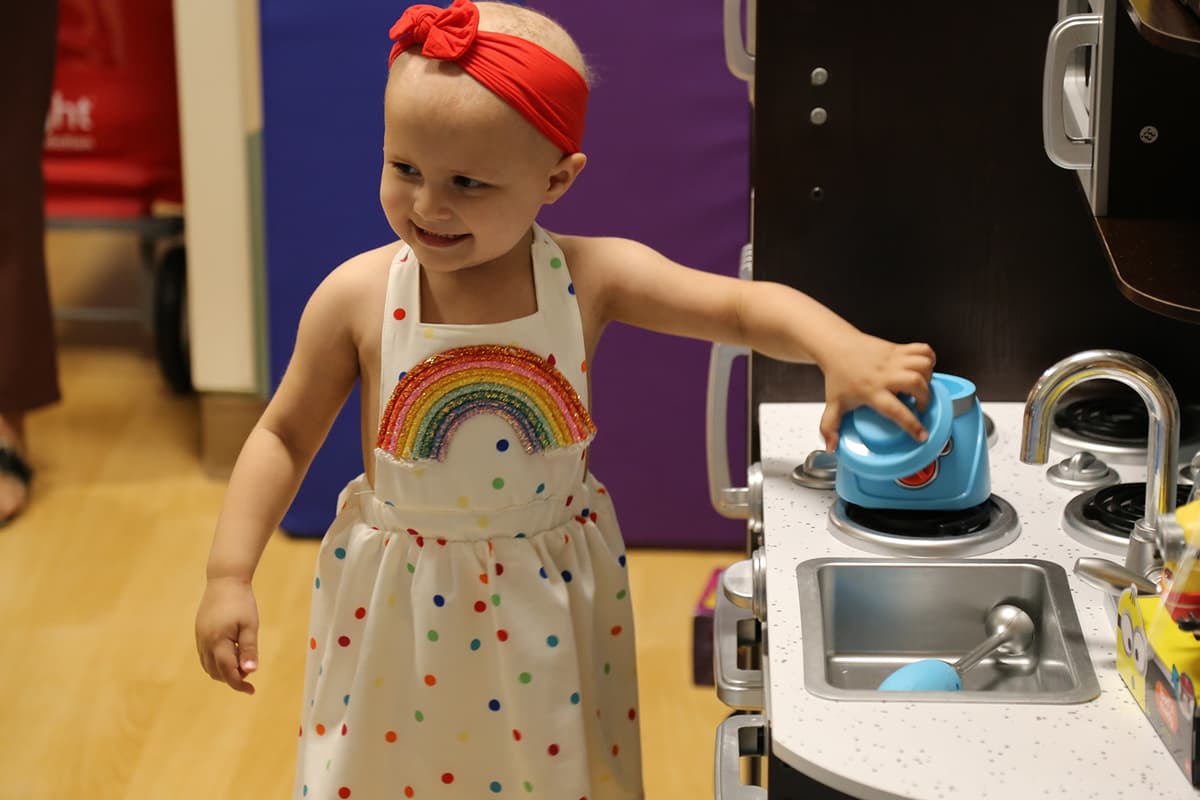
For kids navigating serious illness, this can be a part of their everyday experience. Being removed from familiar routines can make life feel like it’s upside down. They may miss school, time with friends and the comfort of home. Many decisions are made for them, including when they take medication or go through difficult procedures. Not knowing what will happen next can leave kids feeling uncertain and overwhelmed.
Over time, this stress may show up in different ways, such as mood changes or acting out behaviors.
Coping with stress may look different for kids in the hospital. While some strategies like regular routines or physical activity may not always be possible, there are still meaningful ways to support their well-being.
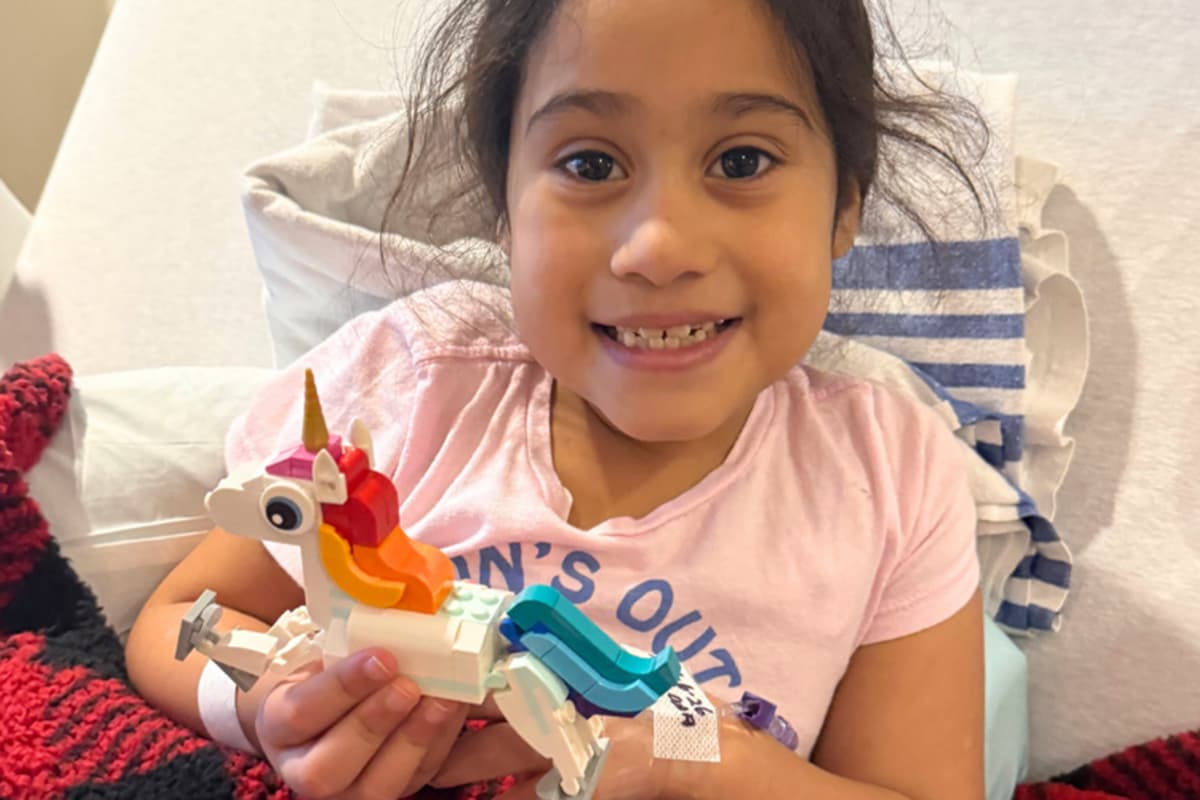
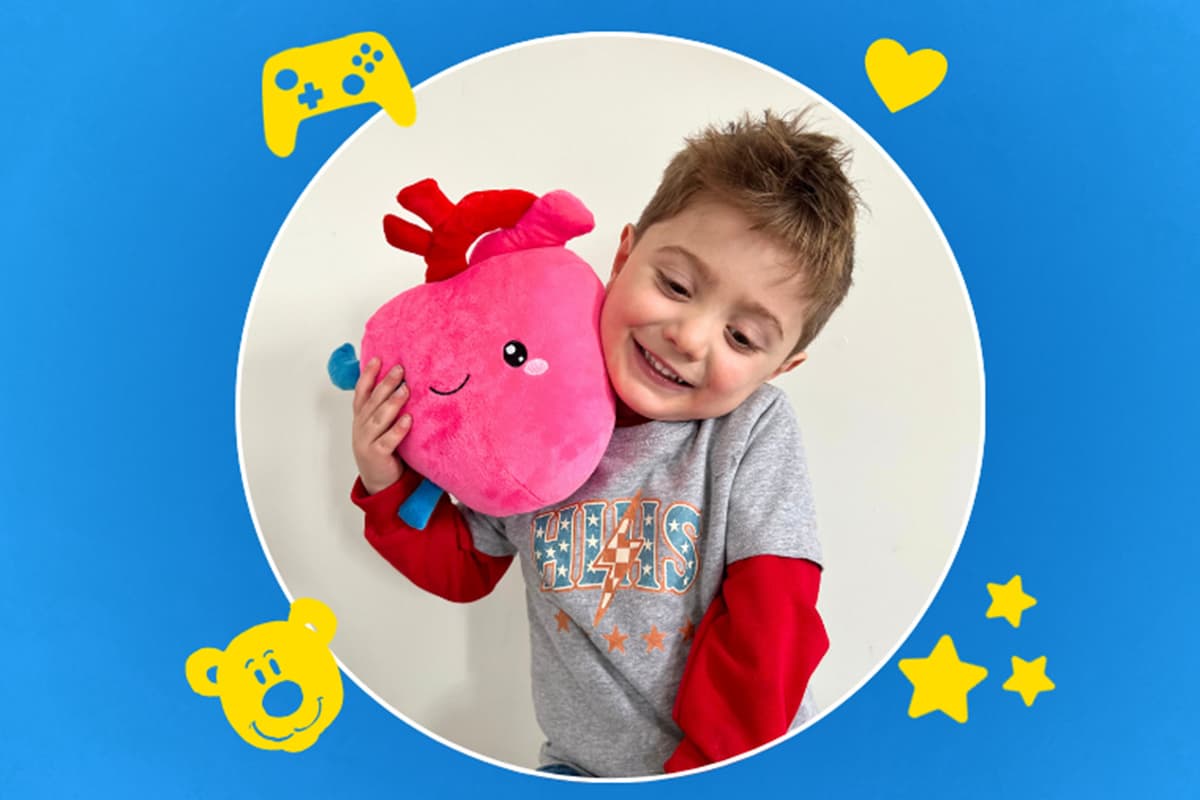
The power of play remains an important outlet, giving kids a chance to express themselves, feel a sense of control and engage in a familiar comfort.
Programs like Starlight Gaming and Toys help create these moments. Designed with kids in mind, they offer safe, developmentally appropriate ways for children to play, explore and simply be kids.
If you’re looking for ways to support your child with stress, you already how important it is to build positive coping strategies.
Your support can help make sure seriously ill kids have the same opportunities.
This blog was last updated April 28, 2026.
Learn how you can support your child’s development with exclusive tips from our hospital partners.
Resources for Parents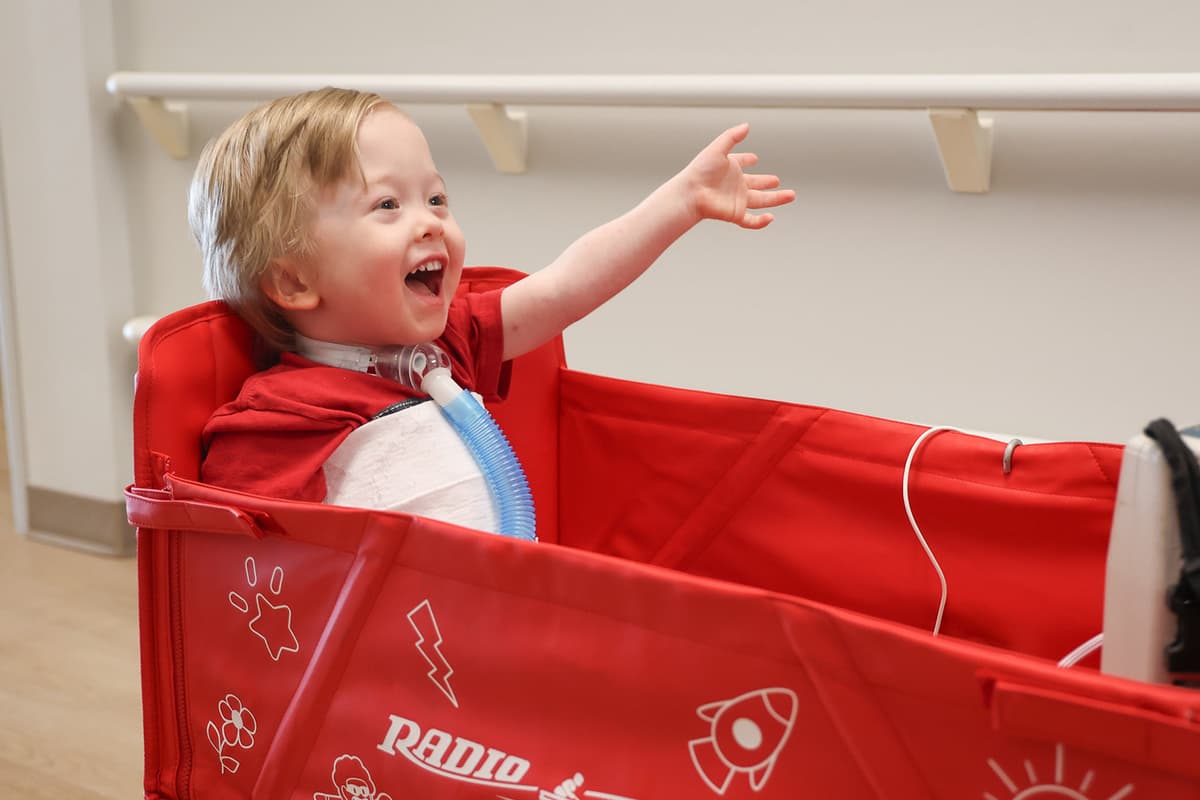 Resources for Parents
 Resources for Parents
 Resources for Parents
 Resources for Parents
 Resources for Parents