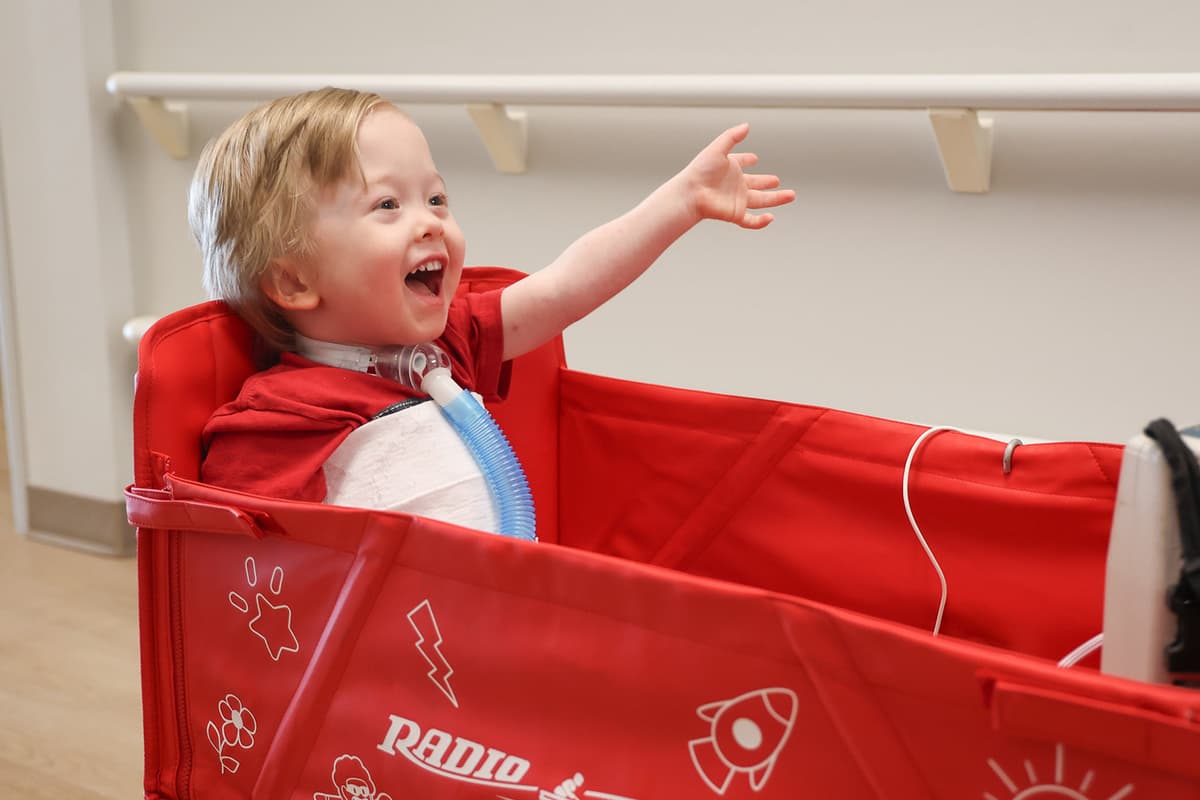
How Play Supports Kids' Health and Wellbeing
 Resources for Parents
 Resources for Parents
When a child is hospitalized for a serious illness, they don't have as much of a say in what they can and can’t do.
They can’t decide how long they’ll stay in the hospital. They have to take medicine when they’re told. Even if they want to wear their normal clothes, they can’t.
Can you imagine if you couldn’t decide for yourself?
It’d probably feel overwhelming and stressful. Hospitalized kids face this challenge every day.
Still, one creative activity helps kids cope with life in the hospital – the power of play.
Meredith McCulloch, MA, ATR-BC, LPC, REAT, LPAT, Art Therapist, understands how crucial play to kids to help hospitalized kids cope.
“Play is how kids learn, communicate and process the experiences that have happened to them,” Meredith says. “Especially in and high-stress and unfamiliar environment like the hospital, play is an important way kids express themselves, provide a sense of control, and support typical development.”
Here are five ways Meredith sees play supports kids at the hospital.
“Kids have limited input and control over their medical stay and treatment,” Meredith shares. “Art therapy sessions can be a time when they experience a sense of agency and make decisions... Play is a natural form of expression for kids of all ages and cultures.”
Kids in the hospital may experience anxiety and be wary of hospital personnel entering their room.
The opportunity to engage in positive experiences with hospital personnel helps kids with adjustment to hospitalization, provides a sense of normalcy, and builds trust with their care team to build rapport.
During Meredith’s sessions, she might help address a child’s concern with mood and anxiety, or shift their attention away from bothersome symptoms pain and nausea.
As kids play, she observes changes in their emotional regulation, engagement, and their affect. For example, their affect may brighten and they may become more talkative and less restless.
As kids often communicate stress through their behavior or play, therapists like Meredith also address concerns or misconceptions a child communicates about their treatment through play.
Many seriously ill kids that Meredith supports may have missed out typical childhood sensory experiences.
They may be unable to eat by mouth or to take baths submerged in water because of central lines.
She explains how play during art therapy can help:
“When you miss developmental windows, it becomes harder to meet that need or develop that skill later. I found that introducing kids to sensors early on helps mitigate some of those sensory aversions they might experience later in life...”
She might give a child sensory toys like slime kits she receives through Starlight’s Toy Delivery program.
“If kids have opportunities to express themselves and experience a sense of autonomy, and if they feel like someone is listening to them and understanding them and accommodating their needs, they are generally more cooperative with their medical treatment.” - Meredith
Meredith notices a positive impact on the entire family as well.
- Meredith McCullouch, MA, ATR-BC, LPC, REAT, LPAT“If a patient is coping well and is being supported through programs and resources like those from Starlight, that’s one less thing the parents have to struggle with. Observing their child coping positively helps with their own coping.”

Meredith shares six of her favorite media used in art therapy interventions:
1. Painting
2. Resin
3. Clay
4. Sensory bin activities – Toys and fine motor tools with materials like dyed rice, moldable sand, cereal
5. 3D printer – Meredith offers patients the opportunity to design their own sculpture or 3D print, or she may use a child’s radiographic imaging and print a child’s organ for them to decorate.
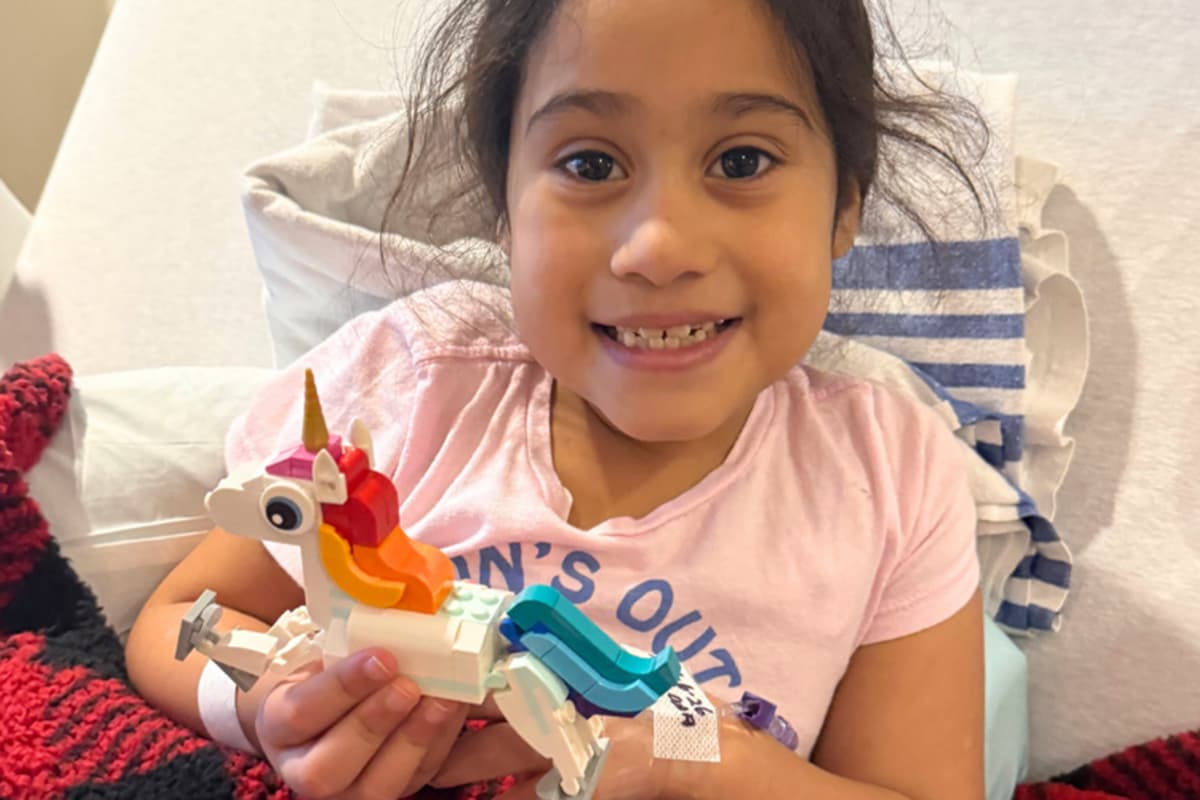
6. LEGO - Sometimes kids might feel reluctant to engage with traditional art materials, so Meredith is always looking for something new to support patients. Offerings like LEGO sets from the Starlight Toy Deliveries program gives her patients a familiar way to still be creative and play. “I feel like I can meet a need with a patient by thinking outside the box and Starlight’s programs definitely helped me do that,” she says.
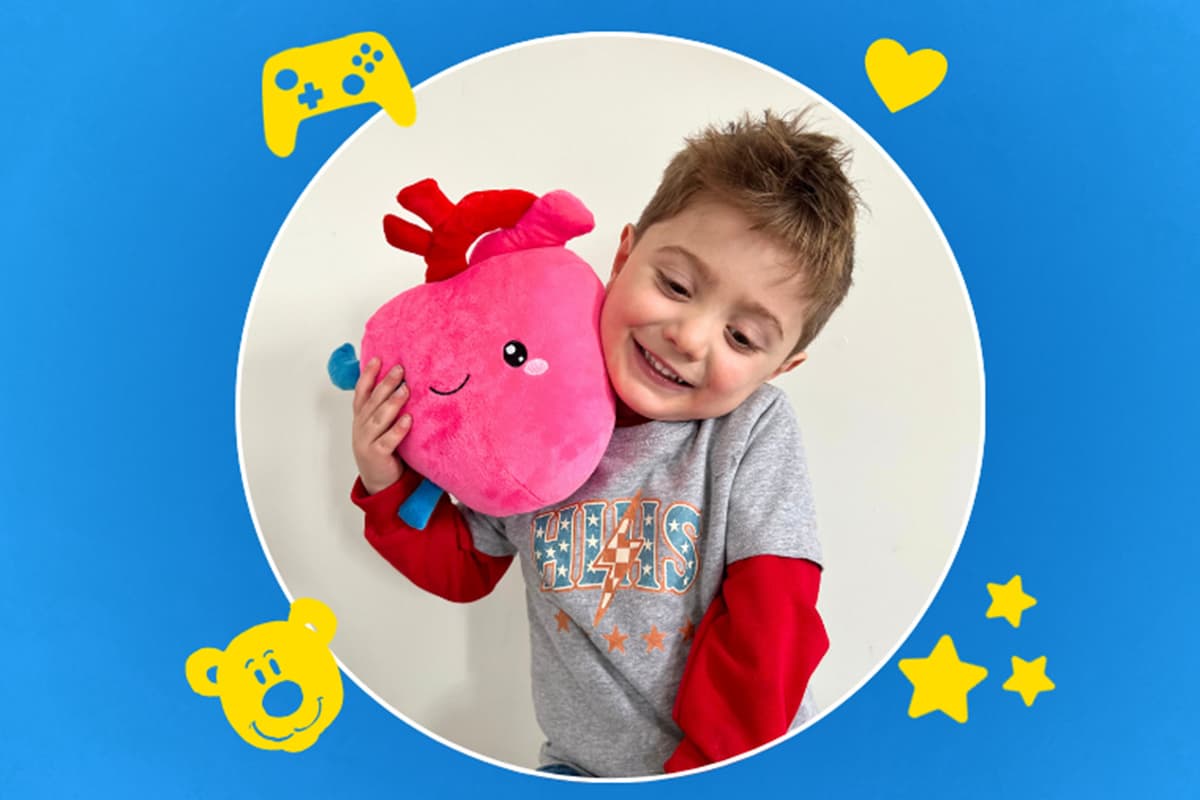
Play is an essential part of care for kids at the hospital. It’s a crucial way for kids to express themselves, find a sense of control and feel less anxious.
Play programs are widely valued, but hospitals rely on donor support for resources for kids. Meredith receives toys through Starlight’s Toy Delivery program, which is completely free of cost to her and the family.
“I have had so many patients and families just not believe me, saying, ‘Oh, you can keep this? Really? And it's free?’ And, I had one kid say, ‘Well, this just made everything worth it.’ So it just becomes this lovely surprise for them that has been a silver lining in what's otherwise been an unexpected and scary experience.” - Meredith

Starlight partners with over 800 hospitals and facilities, including those that serve medically underserved and vulnerable populations. All kids can receive our play-based programs regardless of their diagnosis. When you help deliver Starlight programs, you’re ensuring play is accessible to kids across the country.
“It's so nice that Starlight is not diagnosis-specific because there are so many resources that are limited to a particular population. I may meet a child who would really benefit from them, but they don't meet the organization’s criteria, so I appreciate how inclusive Starlight is with our patients.” - Meredith
Maybe kids can’t choose to take medicine or have surgery, but with your help, they can choose to play - when they want and how they want.
Then, anxieties will calm and frowns will turn to smiles. All because you decided to show your compassion and care.
Help kids get through another hospital day.

Care and comfort for parents, delivered through stories of families whose dark days have turned bright with the help of our Starlight community.
Resources for Parents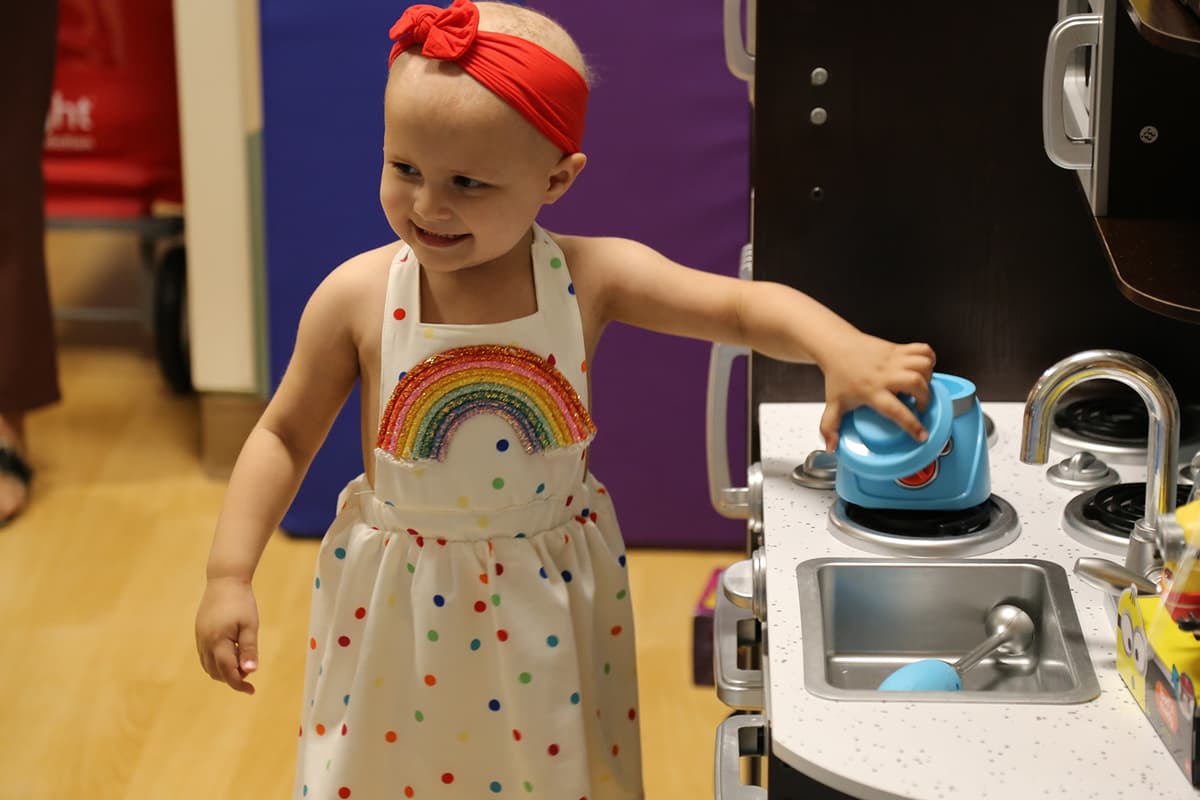 Resources for Parents
 Resources for Parents
 Resources for Parents
 Resources for Parents
 Resources for Parents